Professional Roofer Giving Superior Roofing Services
Appointing a qualified roofing professional constitutes a strategic decision for homeowners after quality roofing solutions. These practitioners not only ensure compliance with local construction guidelines but also offer access to top-tier materials. Their competence to identify and address potential issues early can save considerable resources and time. Understanding the various roofing options at hand and the rewards can further enhance this initiative. What factors should property owners consider when appointing the fitting professional for their needs?
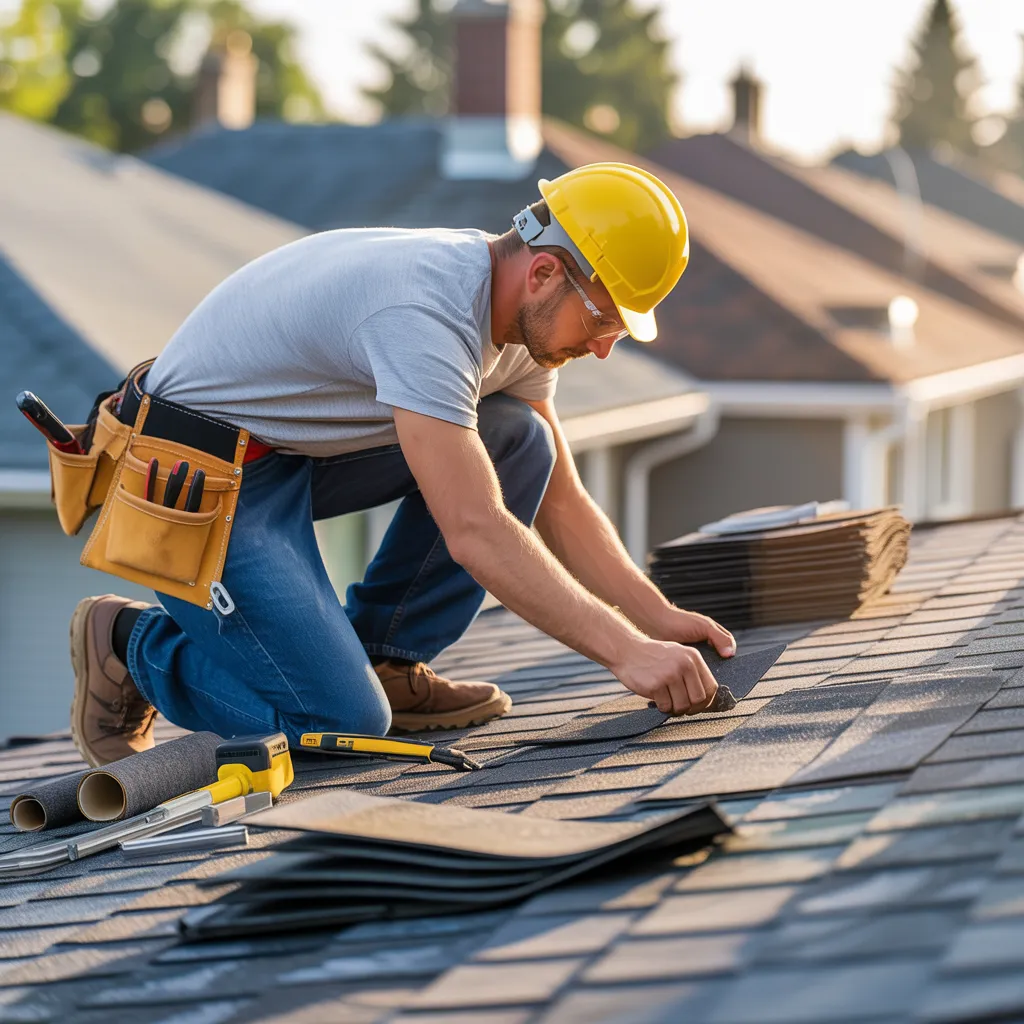
Why Hiring a Experienced Roofer Makes Sense
When contemplating a roofing project, enlisting a professional roofer guarantees both workmanship and safety. Professional roofers have the required training and competency to manage various roof difficulties efficiently. Their experience enables them to spot latent problems in advance of they escalate, providing sustained durability. In addition, they are knowledgeable in neighborhood construction codes and regulations, which minimizes the potential of legal complications.
Also, expert roofers have the availability of superior supplies that may not be available to the typical homeowner, boosting the overall effectiveness of the roofing system. They also deliver warranties that can offer peace of mind, safeguarding the investment made in the roof work. Crucially, safety is essential; experienced roof technicians are supplied with the right tools and protective wear to execute their work without incurring damage. To wrap up, retaining a skilled roof expert is a sensible selection for achieving a trustworthy and safe roofing solution.
An Introduction to Popular Roofing Materials and Their Advantages
Many roof options are available, each offering distinct benefits suited to various requirements and tastes. Asphalt shingles are among the most widely used due to their cost-effectiveness, ease of installation, and range of colors. Metal roofing, known for its durability and resistance to extreme weather, also bounces back heat, making it energy-efficient. Slate tiles deliver a classic appearance and outstanding longevity, while clay tiles deliver superior insulation and can endure harsh climates.
For those concerned with eco-friendly alternatives, rubber roof systems is becoming more popular; it replicates the aesthetic of costly products and is constructed from reclaimed products. Wood shakes deliver a natural, rustic feel but need increased maintenance. In essence, man-made roof options unite the greatest aspects of established materials, ensuring versatility and resilience. Each material delivers distinct benefits, ensuring it's important for residents to consider their priorities and seek advice from specialists when deciding on the most suitable roofing solution.
Common Roof Issues and How Experts Handle Them
Common roofing concerns, such as leaks and water damage, can create significant foundation damage if not resolved promptly. Additionally, worn or broken shingles undermine the roof's durability and leave the home to further risks. Professionals use various techniques to pinpoint and address these issues, providing long-lasting protection and peace of mind for homeowners.
Leaks and Liquid Damage
Leaks and water damage bring about major obstacles for homeowners, often spurring expensive remediation and construction hazards. These troubles frequently result from a spectrum of sources, including weakened materials, incorrect installation, or even extreme climatic events. Water movement can affect insulation, facilitate mold spread, and lessen structural robustness. Seasoned roof experts use modern techniques to uncover and resolve leaks productively. They execute careful examinations to determine at-risk areas, applying tools such as moisture meters and infrared cameras. Once uncovered, they establish focused approaches, which may include sealing, flashing replacement, or, in severe cases, partial roof replacement. By fixing leaks right away, professionals benefit homeowners reduce deterioration, providing continuing protection and peace of mind.
Missing or Compromised Shingles
Roofing problems often appear through absent or degraded shingles, which can compromise a home's defensive layer. These defects leave unprotected the foundational framework to elements, potentially resulting in leaks and further deterioration. Professionals generally conduct thorough inspections to determine the extent of the damage. They may recommend substituting single shingles or whole areas, based on the degree. Using excellent-grade materials, experienced roofers ensure correct placement to prevent future issues. Additionally, they evaluate the roof's general state to address any foundational issues, such as poor ventilation or structural deficiencies. Regular maintenance and timely repairs are vital to maintaining a roof's integrity, ultimately safeguarding the home from water infiltration and other environmental hazards.
Identifying the Finest Roofing Option for Your Home
If you are picking the best roofing alternative for a home, it is essential to evaluate individual roofing needs initially. Understanding the selection of material options on the market and their prices can impact the selection process significantly. Budget considerations also play a vital role in guaranteeing that the chosen solution meets both aesthetic and functional requirements.
Determining Your Roof Necessities
How can one select the most best roofing choice for their home? To evaluate roofing needs, start by studying the home's structure and the local climate. Homeowners should consider elements such as energy efficiency, durability, and maintenance requirements. A detailed inspection of the existing roof can reveal potential problems that might affect the choice of materials. Moreover, monetary limits play a significant role; understanding the long-term costs compared to initial investment is vital. Consulting a professional roofer can provide helpful advice and suggestions tailored to individual demands. Ultimately, the decision must balance visual appeal with operational demands, ensuring the chosen roofing solution boosts the home’s value while ensuring extended safeguard.
Material Range Review
Selecting the appropriate roofing materials represents a critical component of the complete roofing process. Homeowners should assess alternative choices, all featuring individual benefits and limitations. Asphalt shingles remain popular due to their budget-friendly nature and simple setup, whereas metal roofing delivers resilience and thermal performance. Clay and concrete tiles supply an elegant, permanent solution, especially appropriate for warm climates. Wood shakes feature a natural character yet require additional care. Synthetic options, including rubber or plastic, imitate classic designs while delivering greater lifespan. Furthermore, green considerations may encourage certain homeowners to pursue environmentally responsible choices such as green roofs or recycled content. In conclusion, determining the optimal roofing material is based on the home's aesthetic, climate conditions, and individual tastes.
Spending Considerations Analyzed
When budgeting for a roofing project, it typically requires meticulous consideration of multiple factors to confirm that homeowners choose the most suitable option for their needs. Firstly, the selection of materials has a major effect on both the initial costs and the durability over time. Asphalt shingles are often economical, whereas metal or tile choices might provide longer lifespan but come with a higher price. Moreover, labor charges can depend according to the roofing contractor’s skill and the complexity of the project. Homeowners should also include possible hidden costs like structural repairs or permits. Lastly, considering long-term savings through energy efficiency and warranties assists in balancing upfront investment against future advantages.
What to Expect From the Roofing Process
Comprehending the roof installation process can greatly enhance a homeowner's experience over the course of a roofing project. At the outset, property owners should be prepared for a thorough evaluation of the present roof conditions to determine its structural integrity and the necessary repairs or replacements. Following the assessment, a full estimate will outline the scope of work, components, and timeline.
Once the project commences, homeowners can expect an organized setup with safety precautions in place to safeguard their property. The roofing crew will remove old materials, inspect the underlying structure, and apply new roofing systems according to industry standards. Dialogue is essential, as homeowners should expect progress reports on progress and any unforeseen issues.
In the final stage, the job wraps up with a detailed review to verify quality and compliance with specifications. Homeowners should also receive maintenance tips to extend the durability of their fresh roof, reinforcing the value of understanding the full roofing process.
Why Routine Roof Check-Ups Matter
Although many property owners may overlook roof upkeep, routine check-ups are vital for maintaining the soundness and longevity of a roof. These evaluations help identify minor problems before they worsen into costly maintenance. By detecting problems such as leaks, loose shingles, or moss growth early on, homeowners can preserve both time and money.
Furthermore, consistent inspections guarantee that the roof complies with local construction standards, which can prevent future complications during property transactions. Seasonal variations can wear down roofing materials, making it essential to monitor wear and tear.
Furthermore, a well-maintained roof boosts the overall aesthetic appeal of a home and increases its market value. Participating in periodic evaluations not only guarantees the structural soundness of the property but also supplies peace of mind for homeowners. Ultimately, prioritizing roof check-ups is a forward-thinking strategy to home maintenance that generates returns in the long run.
Finding and Engaging a Qualified Roofer in Your Area
Upon acknowledging the value of periodic roof assessments, homeowners frequently pursue qualified specialists for servicing and fixes. Identifying a certified roofing professional in their area can prove intimidating; however, a few key strategies can simplify the process.
First, property owners should request referrals from friends, relatives, or neighbors who have recently had roofing work done. Online reviews and ratings on sites such as Google and Yelp can also provide valuable insights into a roofer's track record.
After a list of potential candidates is assembled, homeowners should verify credentials, including permits and protection. Requesting various estimates permits them to compare prices and services offered.
Additionally, asking about coverage and assurances can help ensure durable outcomes. By following these steps, homeowners can securely engage a professional roofer who meets their specific needs, guaranteeing their roofs remain in peak condition for years to come.
Frequently Asked Inquiries
What Credentials Must I Discover in a Expert Roofer?
When choosing a professional roofer, it's important to stress competencies like proper licensing, protective insurance, extensive experience, good reviews, and adherence to industry standards. These aspects promise solid craftsmanship and protection against potential liabilities.
What Period Does a Average Roofing Project Need to Conclude?
A standard roof installation generally takes between one to three days based on the size and complexity of the roof, weather conditions, and the team's full details productivity. Bigger or more intricate roofs may require additional time.
Can Roofing Warranties Be Passed Along When I Sell My Home?
Roofing guarantees are commonly transferable, but various conditions apply. Property owners should review the guarantee terms for information on transfer possibilities, as some companies insist on formal notice and may have time limits for the transferring procedure.
What Should I Do if I Suspect Roof Deterioration After a Storm?
If roof harm is suspected after a storm, the property owner should inspect the roof for visible issues, document any harm, and consult a expert for an assessment to determine necessary repairs and avoid further problems.
How Do I Protect My Roof in Proper Shape Between Professional Inspections?
Regularly examine the roof for debris, check for worn shingles, and clear gutters to avoid water buildup. Address small issues promptly and keep an eye out for signs of leaks or wear between professional inspections.